Understanding Laser Engraving Costs
Navigating the costs of custom laser engraving can be challenging for those unfamiliar with the technical process. Whether you are a Melbourne business owner ordering office signage or an individual seeking a personalised gift, understanding the variables that drive pricing ensures your project remains within budget while achieving professional results.
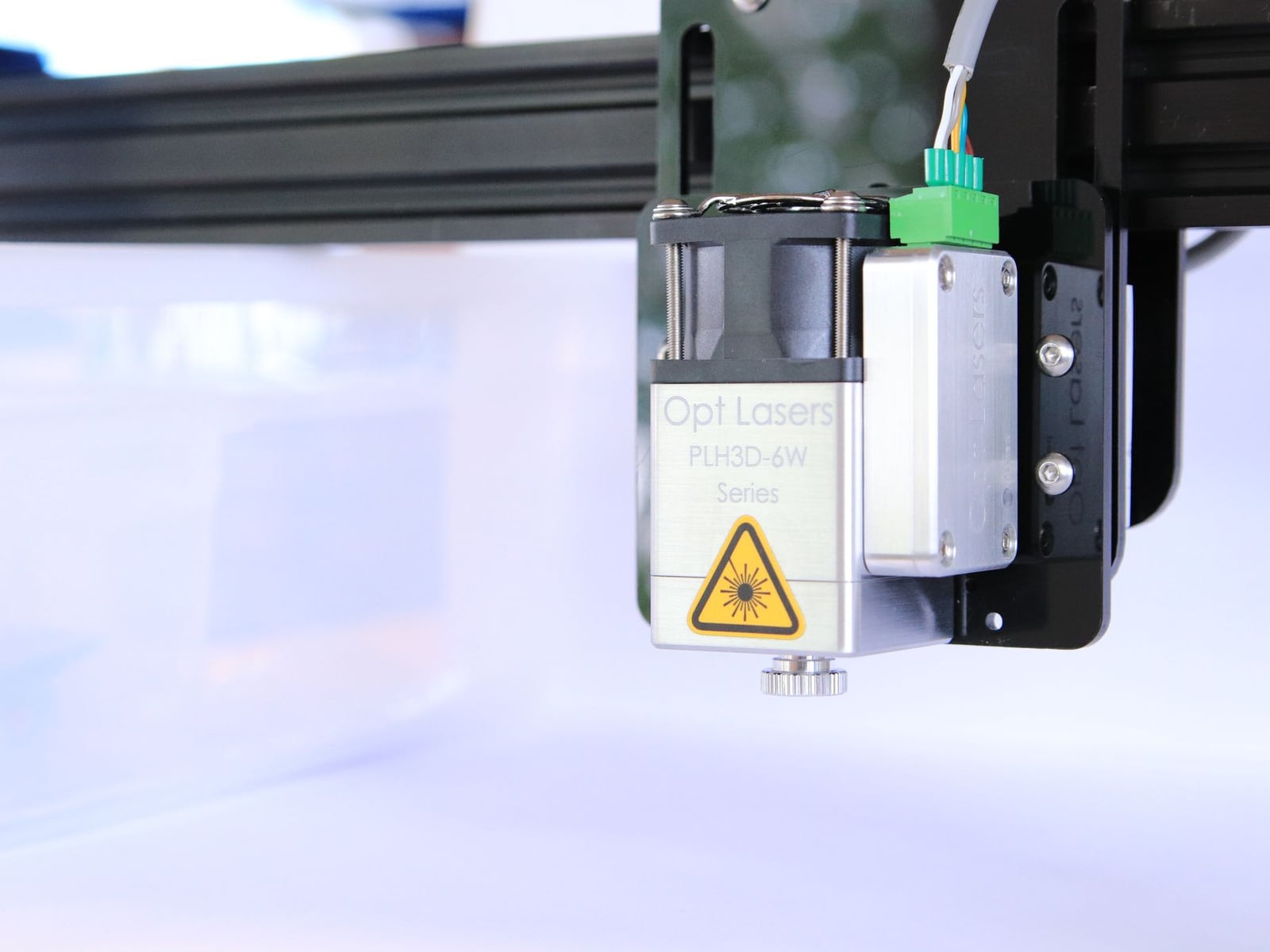
Laser engraving is not a one-size-fits-all service. The price of a finished piece is a combination of material costs, machine time, and technical expertise. In the Australian market, particularly in a hub like Melbourne, pricing is typically structured to reflect the precision of the equipment used—such as the CO2 and Fiber lasers employed at Tokuqiquxusholdings—and the current cost of raw materials.
The Role of Material Selection
The material you choose is the primary driver of the base cost. Different materials react differently to laser beams, requiring different power settings and speeds. At our Melbourne workshop, we process 12 types of materials, each with its own pricing tier.
Organic materials like wood and leather are generally more cost-effective to engrave because the laser penetrates the surface quickly. In contrast, metals and glass require more specialised Fiber laser technology or specific surface treatments to achieve a permanent, high-contrast mark. This technical requirement is reflected in the price per item, as these materials demand slower processing speeds and more rigorous quality checks.
Design Complexity and Machine Time
In laser engraving, "time is money." The cost is directly proportional to the amount of time the laser head spends moving across the material. A simple logo or a small nameplate takes seconds, whereas a detailed photographic engraving or a complex pattern covering a large area takes significantly longer.
Complexity is measured by the "fill area." An outline engraving (vector) is fast because the laser only follows a path. A filled engraving (raster) requires the laser to move back and forth in tiny increments, similar to an inkjet printer. This increases the wear on the equipment and the time spent per piece, which is why detailed artwork typically carries a higher price point.
The Impact of Volume and Scale
One of the most effective ways to reduce the unit cost of laser engraving is through volume. Setting up a job—loading the material, aligning the artwork, and calibrating the laser—takes the same amount of time whether you are engraving one item or one hundred.
When you order in bulk, the "setup cost" is amortised across all pieces. For Melbourne businesses ordering corporate gifts or event badges, this significantly lowers the price per item. We encourage clients to plan their tirage in advance to take advantage of these economies of scale.
Cost Breakdown Checklist
When requesting a quote, consider these factors to get the most accurate estimate:
- Material: Is it supplied by the client or the workshop?
- Dimensions: What is the exact area of the engraving in mm?
- Detail Level: Is it a simple line drawing or a high-density fill?
- Quantity: How many identical pieces are required?
- Timeline: Is this a standard order or an urgent request (subject to a 30% fee)?
Layout and Vectorisation Costs
A laser cannot read a standard JPG or PNG file with the precision required for professional work; it needs vector paths (SVG, AI, or DXF). If your artwork is not in a vector format, it must be manually redrawn by a designer.
This is why layout preparation is listed as a separate service. The time spent ensuring your lines are clean and your proportions are correct is essential to prevent material waste. For more detailed instructions on how to avoid these extra costs, see our guide on how to prepare your file for laser cutting.
| Factor | Low Cost Impact | High Cost Impact |
|---|---|---|
| Material | Plywood, Leather | Stainless Steel, Glass |
| Artwork | Single-line vectors | High-res raster images |
| Quantity | Bulk (50+ units) | One-off prototypes |
| Turnaround | Standard (3-5 days) | Urgent (24-48 hours) |
Local Melbourne Considerations
Operating in the Melbourne CBD means we cater to a diverse range of clients, from boutique designers in the arts district to corporate offices on Collins Street. Our pricing is transparent and includes the 10% GST, ensuring there are no hidden surprises for local businesses. We adhere to Australian consumer standards, providing clear quotes and requiring a 50% deposit to secure the production slot.
Because we operate a local workshop of 85 m², we can offer flexible pickup options, reducing the shipping costs often associated with national providers. This local presence allows for faster iterations on prototypes, which can save you money by avoiding costly errors on final production runs.
Finalising Your Budget
To get a precise quote, we recommend providing the most accurate technical specifications possible. Once the layout is approved and the deposit is paid, the price remains fixed unless the design is altered. Remember that custom-made items are non-refundable once the cutting or engraving process has begun.
If you are ready to start your project or need a detailed cost estimate for a specific material, please contact our Melbourne team or visit our custom engraving service page for current base rates.