Choosing the Right Material for Your Project
Material Science | 5 min read
Selecting the correct substrate is the most critical step in achieving a professional finish. Whether you are designing a corporate award or a complex architectural model, the interaction between the laser beam and the material determines the precision, edge quality, and durability of your final piece.
Understanding Laser-Material Interaction
Laser cutting and engraving work by concentrating a high-powered beam of light to vaporise or melt material. At Tokuqiquxusholdings, we utilise both CO2 and Fiber lasers to accommodate a wide range of substrates. CO2 lasers are ideal for organic materials like wood and acrylic, while Fiber lasers are essential for permanent marking on metals and certain hard plastics.
The choice of material affects not only the visual outcome but also the processing time and cost. For instance, clear acrylic produces a polished, glass-like edge when cut, whereas plywood leaves a characteristic charred edge that may require sanding or finishing depending on your design intent.
Working with Acrylics and Plastics
Acrylic (PMMA) is a favourite for Melbourne designers due to its versatility. It is available in a vast array of colours and opacities. When choosing acrylic, consider the thickness; 3mm is the industry standard for signage and small models, providing a balance between structural integrity and ease of cutting.
It is important to note that we strictly avoid materials containing chlorine, such as PVC, as these release toxic gases during the laser process. Always verify the chemical composition of your plastic to ensure it is laser-safe. For those seeking a modern, clean look, frosted acrylic provides an excellent surface for high-contrast engraving.
If you are planning a project involving these materials, we recommend visiting our precision laser cutting service page to see our current stock and capabilities.
The Versatility of Plywood and Timber
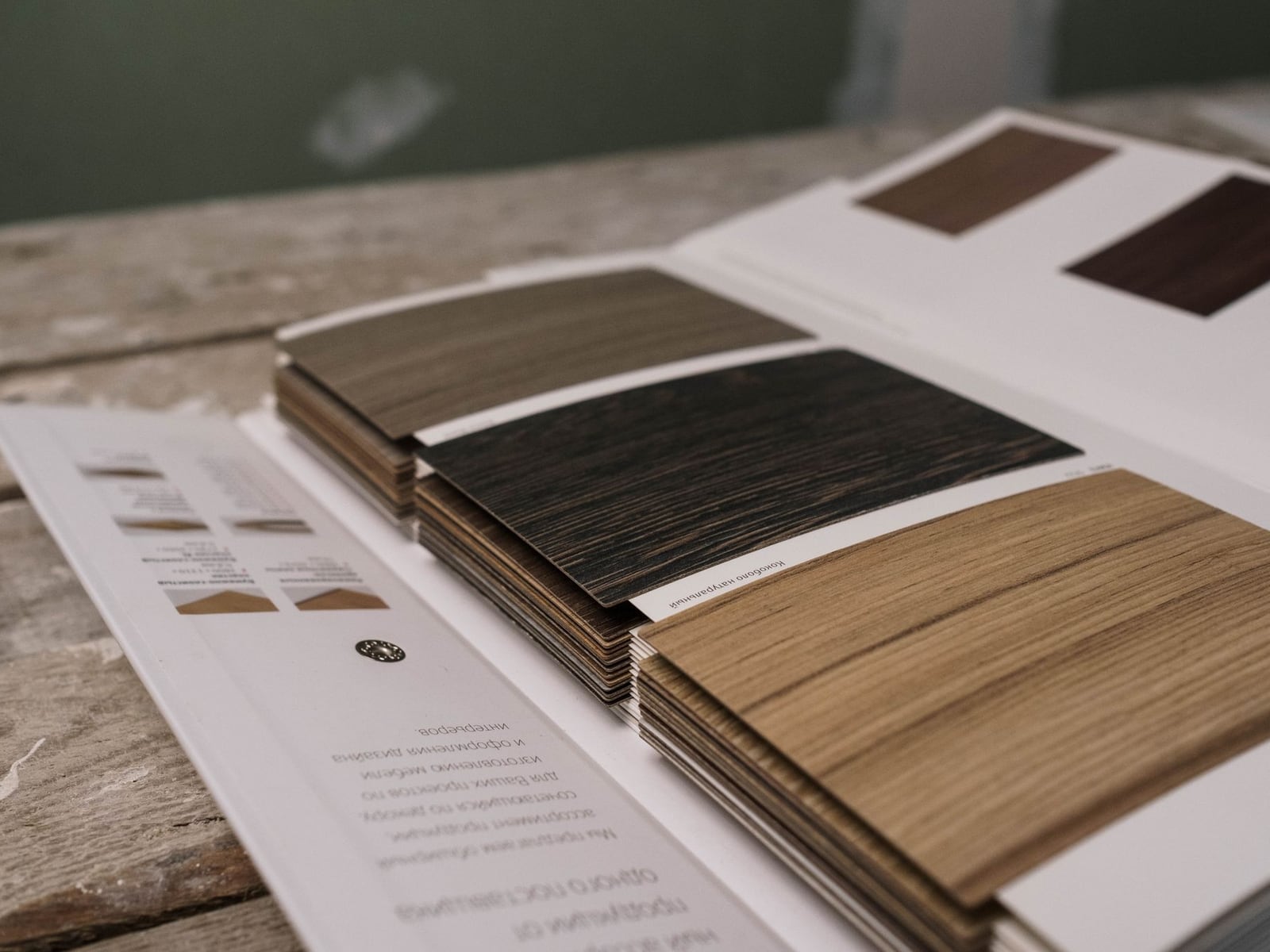
Timber offers a warmth and organic feel that plastics cannot replicate. We typically work with high-grade plywood, which is more stable than solid wood and less prone to warping. For architectural models or intricate jewellery, 3mm plywood is the preferred choice due to its precision under the laser beam.
When selecting wood, consider the grain and colour. Lighter woods like birch or maple provide a sharp contrast for engraving, making them ideal for detailed logos or text. Hardwoods offer more durability but may require different power settings to avoid excessive charring. In the Melbourne climate, we suggest sealing wooden items that will be exposed to humidity to prevent natural expansion and contraction.
Metals and Permanent Marking
For industrial applications or high-end corporate gifts, metal is the gold standard. Using our Fiber laser technology, we can create permanent marks on stainless steel, aluminium, and brass. Unlike cutting through thick plates, laser engraving on metal changes the surface properties of the material, creating a mark that is resistant to wear, chemicals, and time.
Anodised aluminium is particularly popular for office signage and asset tags because the laser removes the anodised layer to reveal the bright metal beneath, resulting in a high-contrast white-on-colour finish. This is a preferred method for businesses in the Melbourne CBD requiring durable, professional identification plates.
Material Selection Checklist
To help you decide, use the following criteria when evaluating your project needs:
| Requirement | Recommended Material | Key Benefit |
|---|---|---|
| High Transparency | Clear Acrylic | Glass-like finish, lightweight |
| Organic Aesthetic | Birch Plywood | Natural look, easy to paint |
| Extreme Durability | Stainless Steel | Weatherproof, permanent mark |
| Rapid Prototyping | 3mm Acrylic/Ply | Fast cutting, high precision |
Preparing Your Files for Success
Once you have selected your material, the next step is ensuring your digital artwork is compatible with the physical properties of that substrate. For example, engraving on wood requires wider lines than engraving on metal to ensure the charring doesn't blur the detail.
We strongly advise reading our guide on how to prepare your file for laser cutting. Proper vectorisation is the difference between a clean cut and a wasted sheet of material. Ensure all your paths are closed and overlapping lines are removed to avoid double-cutting, which can cause burn marks on acrylic or wood.
Local Considerations for Melbourne Projects
Operating in Melbourne, we see a high demand for materials that can withstand the local environment. For outdoor signage or installations, we recommend UV-stabilised acrylics or powder-coated metals to prevent fading under the harsh Australian sun. For indoor office decor in the CBD, a combination of matte acrylic and natural timber often aligns best with modern corporate interiors.
We invite you to discuss your specific material requirements with our technical specialist. Whether you are unsure about the thickness of the plywood or the finish of the metal, our team can provide samples and advice to ensure your project is successful.
For a detailed quote or to arrange a consultation, please contact us today.